Evaluating the 3D Happy Birthday Card Laser Cut Digital Template for Crafters and Makers
In the evolving landscape of digital fabrication, the intersection of traditional paper crafts and modern cutting technology has created a niche market for high-quality design assets. Among these, the 3D Happy Birthday Card Laser Cut template stands out as a versatile resource for individuals looking to produce intricate, professional-grade greeting cards without starting from scratch. It is crucial to clarify immediately that this product is a digital asset. No physical goods are shipped; instead, buyers receive a compressed folder containing vector and raster files designed for use with laser cutters, CNC machines, or even manual crafting tools.
For professionals, small business owners, and serious hobbyists, understanding the utility and limitations of such digital products is essential for integrating them into a productive workflow. This analysis explores the practical value, technical specifications, and real-world applications of this specific design package.
Understanding the Digital Nature of the Product
The primary characteristic of the 3D Happy Birthday Card Laser Cut is its format. Upon purchase, users receive a zip folder containing designs in multiple file formats: SVG, DXF, EPS, PDF, JPEG, and PNG. This multi-format approach is not merely a convenience but a necessity for compatibility across different software ecosystems and hardware capabilities.
- SVG and DXF: These are standard vector formats required by most laser cutting software (such as LightBurn, RDWorks, or Glowforge’s interface). They ensure that lines remain crisp at any scale, which is vital for precise cutting paths.
- EPS and PDF: These formats are often preferred by graphic designers using Adobe Illustrator or CorelDRAW who may wish to modify the design elements before sending them to a cutter.
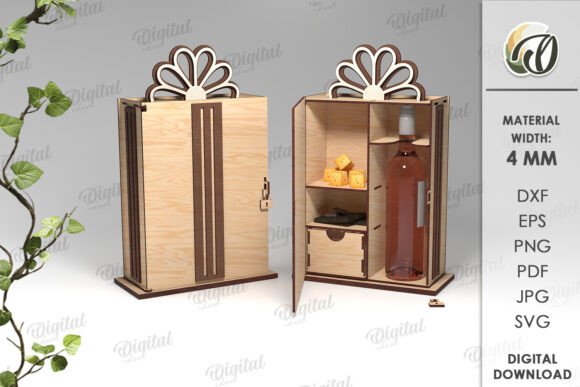
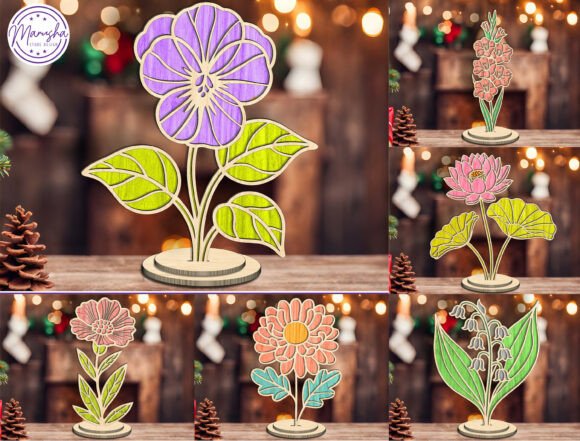
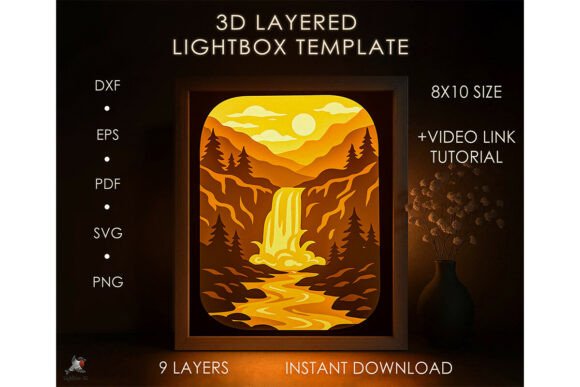
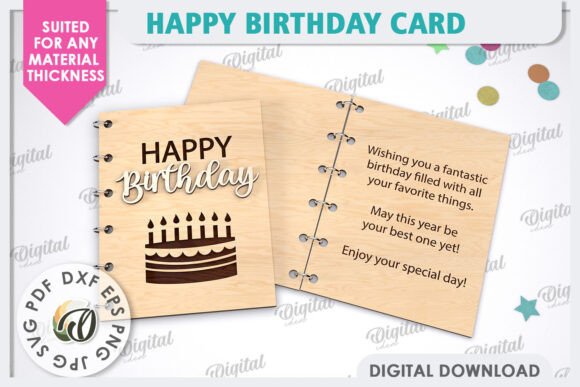
- JPEG and PNG: While not suitable for direct cutting paths due to their raster nature, these images serve as visual references. They help users visualize the final assembled product, understand layering order, and create marketing materials for their own finished goods.
Recognizing that this is a digital download prevents the common misconception of receiving a physical card. The photos provided in the listing are strictly for inspiration, showcasing what is possible when the files are executed correctly with appropriate materials.
Design Precision and Technical Usability
The effectiveness of any laser-cut project relies heavily on the quality of the source file. A well-designed 3D Happy Birthday Card Laser Cut template must account for kerf (the width of material removed by the laser), tab connections for pop-up mechanisms, and score lines for folding. In evaluating this type of asset, one looks for clean vector paths with no overlapping nodes or open contours, which can cause errors during the cutting process.
The flexibility offered by having access to the raw vector files allows for significant customization. A marketer might adjust the dimensions to fit a specific envelope size, while an educator could simplify certain intricate details to make the project more manageable for students. The ability to edit the design means it is not a static product but a foundational tool that can be adapted to various brand identities or personal preferences.
Material Considerations and Execution
While the digital file provides the blueprint, the physical outcome depends on the user’s choice of material. Cardstock weight, texture, and color play pivotal roles in the final presentation. Heavier cardstock (around 300gsm) typically provides the structural integrity needed for 3D pop-up elements to stand upright without sagging. However, thicker materials may require adjustments to laser power and speed settings to ensure clean cuts without excessive charring.
Users should conduct test cuts on scrap material before committing to their final stock. This practice helps determine the optimal settings for their specific machine and material combination, ensuring that the intricate details of the 3D Happy Birthday Card Laser Cut are rendered accurately.
Target Audience and Practical Applications
Who benefits most from acquiring this digital template? The audience is diverse, ranging from individual creators to commercial entities.
- Small Business Owners and Etsy Sellers: For entrepreneurs selling handmade goods, time is a critical resource. Designing complex 3D structures from scratch requires significant expertise and hours of trial and error. Purchasing a pre-tested template allows these sellers to focus on production and marketing rather than design development. It enables them to offer premium, visually striking products with lower overhead costs.
- Educators and Workshop Leaders: Teachers and community center instructors can use these files to teach principles of geometry, engineering, and design. The pop-up mechanism serves as a tangible example of how two-dimensional plans translate into three-dimensional structures.
- Corporate Professionals and Marketers: Companies looking to send memorable, branded birthday greetings to clients or employees can customize the design with their logo or brand colors. A laser-cut card conveys a level of thoughtfulness and quality that standard printed cards often lack.
- Serious Hobbyists: Individuals who enjoy paper crafting but may lack advanced vector design skills can still achieve professional results. The template lowers the barrier to entry for creating sophisticated 3D art.
Assessing Long-Term Value and ROI
When evaluating the return on investment for a digital product like the 3D Happy Birthday Card Laser Cut, one must consider its reusability. Unlike a physical card that is used once, a digital file can be used indefinitely. A single purchase can yield hundreds of cards over time, making the cost per unit negligible after the first few uses.
Furthermore, the versatility of the design extends beyond birthdays. With minor modifications, the core structure could potentially be adapted for other celebrations, such as anniversaries or congratulations, by changing the text elements. This adaptability enhances its long-term value for creators who need a reliable library of design assets.
Potential Limitations and Challenges
Despite its advantages, users should be aware of potential challenges. First, the complexity of 3D pop-up cards requires careful assembly. Users must possess patience and a steady hand to fold and glue the components correctly. Rushing the assembly process can lead to misaligned layers or broken tabs.
Second, the quality of the output is directly tied to the user’s equipment and skill level. A poorly calibrated laser cutter or inappropriate material choice can result in burnt edges or incomplete cuts. Therefore, while the design is robust, the final product’s quality is contingent on the maker’s proficiency.
Final Recommendations for Buyers
Before purchasing, ensure that your workflow supports the provided file formats. If you are new to laser cutting, start with simpler projects to familiarize yourself with your machine’s behavior before tackling intricate 3D designs. Additionally, keep the reference images handy during assembly to guide the folding and gluing process.
If you have specific questions about file compatibility or design modifications, reaching out to the seller prior to purchase is advisable. Many creators are willing to provide guidance or clarify technical details, ensuring that the product meets your specific needs.
In conclusion, the 3D Happy Birthday Card Laser Cut digital template represents a practical, efficient solution for anyone looking to elevate their paper crafting projects. It bridges the gap between complex design theory and accessible execution, offering a balance of creativity and convenience. For those willing to invest the time in proper material selection and careful assembly, this asset provides a reliable foundation for creating memorable, high-impact greeting cards.